Platt Barbour
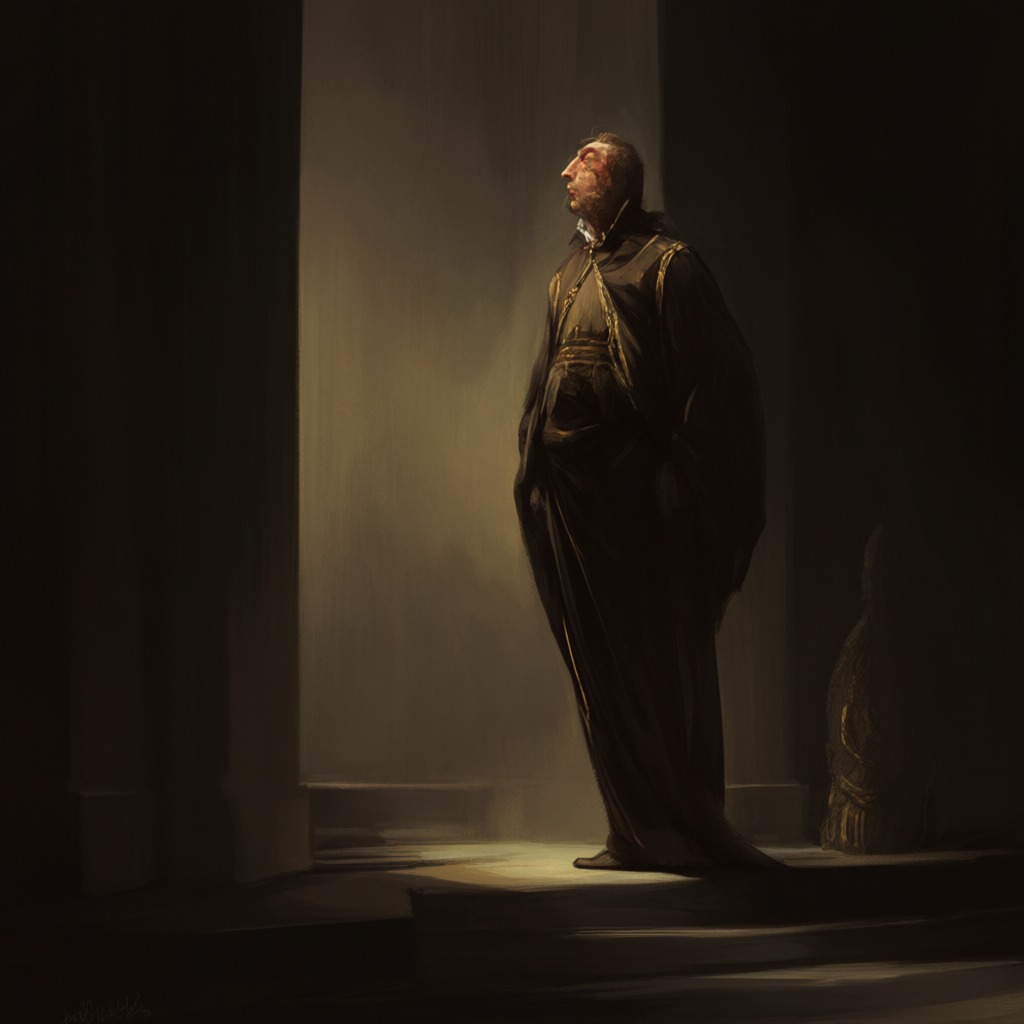
Platt Barbour, the eldest son of Chance and Samantha Barbour, is a character defined by a stark transformation from a sadistic older brother to a haunted, middle-aged man grappling with the aftermath of family tragedy. His arc is one of inherited privilege gone wrong, marked by cruelty, expulsion, and a desperate, compromised loyalty to his family's dwindling fortunes.
Identity and Introduction
As a teenager, Platt is introduced as a champion lacrosse player and "a bit of a psychopath" who terrorizes his younger brother, Andy. He is the golden child, favored by his mother, yet his behavior is marked by inventive and joyous sadism. He spits in Andy's food, leaves dead guppies on his pillow, and once, in a particularly vicious incident, forced a makeshift noose around Andy's neck in an attic room. This cruelty is not just sibling rivalry but a form of torture that leaves deep psychological scars. Platt's own childhood was marked by a harsh boarding school experience at Prince George's, where he was trampled in a stall and broke his shoulder, an injury that was poorly set by a drunk doctor. He was packed off to this school "pretty much the second I could tie my shoes," a formative experience of abandonment that likely shaped his own capacity for cruelty.
Arc Through the Plot
Platt's trajectory is one of decline. He is expelled from Groton for an unspecified but serious offense, an event that is hushed up by his family. In adulthood, he is a shadow of his former self: morose, poorly shaven, and working a low-paying job at an academic publisher. He has not aged well, growing thick in the jaw and middle, his face coarsened from its former "perverse old Jungvolk beauty." He drinks heavily, often to the point of being "half-sloshed," and carries an air of "privilege gone wrong." The drowning of his father and brother, Andy, is a catastrophic event that he blames himself for, confessing to Theo that he was "always so hateful to Andy. An absolute bastard." This guilt is a constant, gnawing presence, and he is haunted by the memory of his cruelty.
Relationships and Conflict
Platt's relationship with his mother, Samantha, is complex. He is her favorite child, yet he is also the one who must manage the practical and emotional fallout of his father's bipolar disorder and death. He is the one who calls Theo to break the news of Andy's death and who later tries to sell family furniture without his mother's knowledge. His relationship with Theo is transactional and built on a shared, unspoken understanding of moral compromise. Platt is the one who first mentions Tom Cable, revealing that Cable is still seeing Kitsey, and he later becomes a key player in Theo's scheme to defraud Lucius Reeve. Platt agrees to backdate a bill of sale for a fake chest-on-chest, accepting a ten percent cut of the price, a deal that cements their partnership in dishonesty. He is a "world-class snob and bully in his own right," making him a useful ally against a predator like Reeve.
Change and Ending
Platt's final appearance is at Theo's engagement party, where he is described as looking "rumpled and anxious and already half-sloshed." He tries to reassure Theo about Kitsey's relationship with Tom Cable, insisting that Cable doesn't love her and that she is better off with Theo. This moment reveals a desperate attempt to salvage some good from the wreckage of his family, even as he is complicit in the very deception he warns against. He is a figure of pathos, trapped by his own past and his family's legacy, unable to fully escape the role of the bully or the guilt of the survivor. His final act is to offer a weak, drunken defense of a marriage he knows is built on a lie, a fittingly compromised end for a character who has never quite managed to be good.
Narrative Role and Evaluation
Platt serves as a dark mirror to Theo, showing what happens when privilege curdles into cruelty and then into a hollow, guilt-ridden adulthood. He is a catalyst for several key plot points, including the revelation of Kitsey's affair and the facilitation of Theo's fraud. His character is a study in the corrosive effects of family dysfunction, inherited trauma, and the inability to escape one's own worst impulses. He is a flat character in the sense that he is built around a single, recognizable idea—the bully who becomes a broken man—but his capacity for surprising, if compromised, acts of loyalty (like backing Theo's scheme) gives him a degree of roundness. He is ultimately a tragic figure, a victim of his own cruelty and the family tragedy he helped to create.